
What are team building activities for work? If that question often bothers you then the answer is quite simple. These are structured games and collaborative challenges to improve communication, build trust, and teamwork among employees.
These activities range between 5 and 60 minutes, require minimal materials, and leave every participant more connected.
The best team building programs don't stop at a single event. Instead they pair activities with ongoing recognition to make teamwork a daily habit, not just an annual offsite. And due to this flexibility, it has now become an essential part of a company culture.
Looking for something shorter and less structured instead? 15 fun activities at work covers quick icebreakers and half-day options sorted by time and budget.
This blog covers 56 team building activities for work, covering different aspects like:
- Communication games
- Problem-solving challenges
- Trust-building exercises
- Creative thinking activities
- Icebreakers and collaboration games
- Small group activities, large group activities, outdoor activities, and indoor games
- Quick 5-minute activities, and virtual team building.
Every activity includes the recommended group size, time required, and step-by-step instructions so you can run it with zero preparation.
Now that you have a starting point, here's the full list with each broken down by category so you can explore at your own pace. Each activity includes time, group size, materials, and step-by-step instructions.
Now that you have a starting point, here's the full list — broken down by category so you can explore at your own pace. Each activity includes time, group size, materials, and step-by-step instructions.
Category 01: Icebreaker Activities
Before the work starts, people need to feel comfortable. These activities take 5 to 30 minutes, require little to no materials, and do one thing well: help people show up as humans rather than job titles. Use them at the start of a workshop, a new project kickoff, or any time a group needs to warm up before diving in.
VANTAGE INFLUENCERS PODCAST
"You find creative ways—playing a game, or using a two-truths and a lie game, finding ways to build personal connections—is the foundation of trust."
— Adam Massman, Chief People Officer at NetchecksListen to the Episode

🏷️ Stereotype Party
- Sticky notes or post-it notes
- Pens (one per person)
- Open space to mingle
- 1Write a famous name on each sticky note
- 2Place on each person's forehead — don't reveal it
- 3Everyone mingles treating each other by their label
- 4Debrief on what the experience revealed
🤥 Two Truths & a Lie
- No materials needed
- Optional: paper to write statements
- 1Each person prepares 3 statements (2 true, 1 lie)
- 2Share statements — group votes on which is the lie
- 3Reveal and discuss — most surprising answer wins
🎯 Human Bingo
- Printed bingo cards (5x5 grid)
- Traits in each square
- Pens
- 1Hand out bingo cards and give 15 minutes
- 2Find people who match each square — get their signature
- 3First to complete a row or full card wins
🏝️ Desert Island Picks
- No materials needed
- Optional: whiteboard to list all picks
- 1Each person picks 3 items to bring to a desert island
- 2Share choices with a 30-second explanation each
- 3Group discusses — challenge or celebrate each choice
💬 One Word Check-In
- No materials needed
- Works in person or on video call
- 1Go around the room — each person says one word
- 2No explanations required unless they want to share
- 3Facilitator thanks the group and transitions to the session
⚡ Speed Networking
- Prompt question cards (one per round)
- A bell or timer to signal rotations
- Open space for pairs to stand and talk
- 1Pair everyone up and give a prompt question
- 22 minutes to talk — bell rings, rotate to new partner
- 3Run 5–6 rounds with different prompts each time
🌹 Rose, Bud, Thorn
- No materials needed
- Seated circle works best
- 1Explain: Rose = highlight, Thorn = challenge, Bud = what you are looking forward to
- 2Go around — each person shares all three in 60 seconds
- 3Acknowledge responses briefly before moving on
🔗 Word Association Warm-Up
- No materials needed
- Works in person or remote
- 1One person says a word — next says the first word that comes to mind
- 2No repeats, no hesitation allowed
- 3Anyone who pauses too long is out — keep energy high
🗺️ My Map
- Blank paper (one sheet each)
- Pens or markers
- 10 min drawing + 15 min sharing
- 1Ask each person to draw a map of meaningful places
- 2Include: birthplace, favorite spot, somewhere they would go tomorrow
- 3Share and explain each map in 90 seconds
🎤 The Name Game
- No materials needed
- Seated or standing circle
- 1First person says name + adjective with same first letter
- 2Next person repeats all previous names before adding their own
- 3Last person must repeat everyone — celebrate the attempt
Category 02: Indoor & Collaboration Activities
Not every team-building moment needs a venue or a budget. These activities are designed for office spaces, meeting rooms, and break areas. They do more than fill time. Each one targets a specific team dynamic: communication gaps, negotiation, creative thinking, or plain old camaraderie. Most run under an hour and need nothing more than what's already in the office.
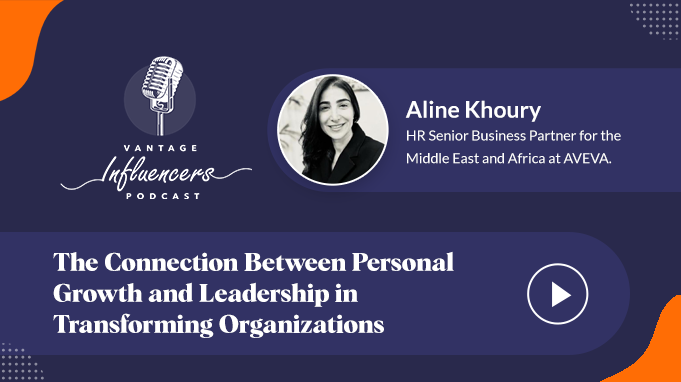
VANTAGE INFLUENCERS PODCAST
"Leadership is about authenticity and not perfection. Instead of pushing change, it was more about focusing on creating dialogue and trust."
— Aline Khoury, HR Senior Business Partner at AvivaListen to the Episode
🔍 Scavenger Hunt
- Printed task list per team
- Mobile phones for photo tasks
- Timer and point-scoring sheet
- 1Divide into teams of 4 or more
- 2Hand out task list — each item has a point value
- 3Set a time limit — most points wins
- 4Reconvene to review results together
🧩 Barter Puzzle
- 3–5 identical jigsaw puzzles
- Mix pieces across sets before starting
- Table space per team
- 1Give each team a mixed set of puzzle pieces
- 2Teams work their puzzle and identify missing pieces
- 3Negotiate trades with other teams to get what you need
- 4First complete puzzle wins
🎨 Back-to-Back Drawing
- Paper and pens (one per person)
- A printed image for the describer
- Chairs placed back-to-back
- 1Sit pairs back-to-back — one holds the image
- 2Describer explains the image without naming it directly
- 3Drawer recreates it based only on verbal instructions
- 4Compare results — discuss what got lost in translation
🧠 Office Trivia
- 20–30 trivia questions about the company
- Teams of 3–5
- Score sheet and small prizes
- 1Divide into mixed teams across departments
- 2Read questions in rounds — teams discuss and submit answers
- 3Tally scores — winning team gets bragging rights
🏗️ Marshmallow Tower
- 20 spaghetti sticks per team
- 1 meter of tape and string each
- 1 marshmallow per team
- 1Hand out identical materials — no substitutions
- 218-minute timer — marshmallow must be on top at end
- 3Measure height — disqualify if it falls
- 4Debrief: who led? who prototyped early?
🚧 Mine Field
- Blindfolds (one per pair)
- Obstacles scattered across floor space
- Marked start and finish points
- 1Scatter objects across the floor — create a minefield
- 2One partner is blindfolded, the other guides verbally only
- 3Guide cannot touch — only use words
- 4Fastest pair across without hitting obstacles wins
✏️ Back-of-Napkin Challenge
- One napkin or scrap paper per team
- A pen each
- A shared problem or challenge prompt
- 1Present a real or hypothetical problem to solve
- 2Teams have 20 minutes to sketch their solution on one napkin
- 3Present and vote on most innovative approach
👁️ Blind Object Retrieval
- Blindfolds (1 per team)
- Assorted objects spread across floor
- Central basket for collected items
- 1Scatter objects and define each team's target items
- 2Blindfolded player enters — teammates guide verbally only
- 3Most correct items retrieved in time wins
📞 Telephone Pictionary
- A stack of paper per person
- Pens (one each)
- 30-second timer per turn
- 1First person writes a phrase and passes it on
- 2Next person draws the phrase — folds to hide the words
- 3Next person writes what they see in the drawing
- 4Reveal the full chain — compare original to final
🏅 Office Olympics
- Game stations: paper planes, ping-pong, chair races
- Score sheets per team
- Small prizes or trophies
- 1Set up 4–5 game stations around the office
- 2Teams rotate through each station earning points
- 3Tally final scores — award medals with ceremony
Category 03: Outdoor Activities
Getting outside changes the dynamic in ways a conference room simply cannot. These activities range from a 60-minute nature walk to a full overnight camping retreat and the energy level varies just as much. What they share is this: when people move together, laugh together, and solve things away from their desks, they come back to work differently.
🪢 Ropes Course
- Pre-booked ropes course facility
- Safety gear (provided on-site)
- Comfortable athletic clothing
- 1Safety briefing and gear fitting on arrival
- 2Teams navigate low and high rope elements together
- 3Instructors guide and assist throughout
- 4Full group debrief — what did you learn about each other?
🏙️ City Scavenger Hunt
- Task list with location-based challenges
- Mobile phones for photo tasks
- Point-scoring sheet per team
- 1Divide into mixed teams of 4–6
- 2Hand out task list — tasks include photos, trivia, mini challenges
- 3Set a time limit — most points on return wins
⚽ Sports Tournament
- Sports equipment (football, cricket bat, etc.)
- Access to a field or park
- Mixed team assignments prepared in advance
- 1Create cross-department teams of equal size
- 2Run a round-robin tournament format
- 3Award a team trophy — losing teams buy lunch
🤲 Community Volunteering
- Partnership with a local charity or shelter
- Appropriate clothing for the activity
- Transport arranged in advance
- 1Partner with a food bank, shelter, or community garden
- 2Assign teams to tasks on arrival
- 3Reflect as a group afterward — what was meaningful?
🏃 Obstacle Course Race
- Park or outdoor field
- Cones, ropes, tyres for obstacle setup
- Athletic clothing and water stations
- 1Set up 6–8 physical obstacles across a course
- 2Teams complete all obstacles together — team time recorded
- 3Fastest team time wins — celebrate every finisher
🌲 Nature Walk & Reflect
- A nearby park or walking trail
- Printed prompt cards (one per stop)
- Small groups of 4–6 per walk
- 1Split into small groups — mix departments deliberately
- 2At each stop, share the prompt card
- 3Reconvene at the end — each group shares one insight
🏎️ Go-Kart Racing
- Booked go-kart track (indoor or outdoor)
- Safety briefing on arrival
- Optional: small trophy for winner
- 1Safety briefing — ensure everyone understands rules
- 2Run qualifying laps then a group final race
- 3Award the winner — celebrate over lunch
🔥 Outdoor Cooking Class
- Booked outdoor cooking venue or chef
- Ingredients provided by venue
- Teams of 3–4 per station
- 1Assign teams — mix departments at each cooking station
- 2Chef leads instruction while teams collaborate on their dish
- 3Share and eat together — vote on best dish
🎣 Fishing Tournament
- Local lake, pond, or fishing resort
- Fishing rods (rentable on-site)
- Optional: prizes for biggest catch
- 1Pair people who don't normally work together
- 2Set a time limit — biggest catch or most caught wins
- 3Award winner — losers cover lunch
⛺ Camping Retreat
- Campsite or retreat venue booked in advance
- Tents, sleeping bags, or cabin accommodation
- Meals and activity schedule planned ahead
- 1Assign tent or cabin groups — mix departments
- 2Structure the day with activities + unstructured downtime
- 3Campfire reflection on final evening — share one insight from the trip
Category 04: Fun & Morale Activities
High-performing teams aren't just productive — they actually enjoy working together. These activities exist for one reason: to remind people why they like their team. No forced bonding, no uncomfortable exercises. Just cook-offs, trivia nights, costume contests, and other low-pressure moments that create the kind of shared memories teams talk about for years.
👨🍳 Cook-Off Challenge
- Kitchen space or catering venue
- Mystery ingredient basket per team
- Judge panel (3 people)
- 1Reveal the mystery basket — 90 minutes to cook
- 2Judges score on taste, creativity, and presentation
- 3Award the winning team — everyone eats together
🧠 Trivia Night
- 30–40 prepared trivia questions across 4–5 rounds
- Score sheets per team
- Small prizes for winners
- 1Form mixed teams of 4–6 across departments
- 2Read questions in rounds — teams submit written answers
- 3Mark between rounds — reveal final scores with ceremony
🎤 Lip Sync Battle
- Bluetooth speaker or sound system
- Teams pick their song in advance
- Optional: costumes or props
- 1Teams have 10 minutes to rehearse their performance
- 2Each team performs in turn — full audience energy required
- 3Vote on best performance — applause meter or panel judges
🎭 Costume Contest
- Announce theme 1 week in advance
- Voting system (paper slips or digital poll)
- Award categories (3–4 max)
- 1Set theme one week before — decades, films, professions
- 2Parade or walk-through at the event
- 3Vote and announce winners with prizes
🎬 Office Short Film
- Smartphones (one per team)
- 2-minute maximum film length
- Projector or screen for screening
- 1Teams of 4 get 2 hours to write, film, and edit
- 2Reassemble for a group screening
- 3Vote: Best Drama, Best Comedy, Worst Script
🥇 Mini Olympics
- 4–6 event stations set up around the office
- Scorecards per team
- Paper planes, balloons, ping-pong balls
- 1Divide into mixed teams — assign each a color or name
- 2Rotate through stations — 10 minutes each
- 3Tally final scores — award medals with a ceremony
🍽️ Potluck Lunch
- Sign-up sheet (one dish per person)
- Communal table or counter space
- Labels for dietary info
- 1Circulate a sign-up sheet one week in advance
- 2Set up tables with labels
- 3Eat together — encourage people to ask about each dish
🎨 Paint & Sip
- Booked paint and sip venue or instructor
- Canvas, paints, brushes per person
- Drinks and snacks
- 1Instructor guides the group step by step through a scene
- 2People paint at their own pace — no judgement
- 3Display all paintings at the end — celebrate the variety
🎲 Board Game Afternoon
- 4–6 different games across genres
- Tables with 4–6 seats per station
- Timer for rotation signals
- 1Set up game stations — mix strategy, word, and party games
- 2Rotate tables every 30 minutes
- 3No phones rule — enforced lightly but firmly
🎳 Bowling Night
- Booked bowling lanes
- Mixed lane assignments prepared in advance
- Pizza or food booking after
- 1Assign lanes with cross-department mixing
- 2Run 2 games — track running team totals
- 3Award the winning lane — follow with dinner
Category 05: Problem-Solving Activities
These are the activities that reveal how your team actually thinks. Under time pressure, with limited resources, or with information deliberately fragmented across groups. Problem-solving activities expose communication styles, decision-making patterns, and who steps up when things get difficult. They also happen to be some of the most engaging activities on this list.
🔓 Escape Room
- Pre-booked escape room (physical or virtual)
- Teams of 4–8 — mix departments
- Debrief space booked after the session
- 1Brief teams on the mission and backstory
- 2Start the timer — teams work clues collaboratively
- 3Maximum 2 hints permitted per team
- 4Debrief: what worked? what got in the way?
🥚 Egg Drop Challenge
- Raw eggs (one per team)
- Straws, rubber bands, tape, plastic bags
- Designated drop point (window or stairwell)
- 1Hand out identical materials — no substitutions allowed
- 245 minutes to design and build the package
- 3Drop simultaneously from set height — inspect for survival
- 4Ties? Raise the drop height and go again
🔍 Whodunit Mystery
- Pre-written mystery scenario + clue cards
- Teams of 4–6 with different clue sets
- Whiteboard to map shared information
- 1Distribute clue sets — each team gets different information
- 2Teams must share clues verbally — no showing cards
- 3Collaborate to build the full picture and name the culprit
🤝 Human Knot
- Open floor space — no furniture
- Groups of 8–16 per circle
- No materials required
- 1Stand in a circle — reach across and grab two different hands
- 2Without releasing, work to untangle into a circle
- 3Steps over or under arms are allowed
- 4Succeed when all are standing in an open circle
🌊 Lost at Sea
- Printed scenario and 15-item list
- Individual ranking sheets
- Expert ranking sheet for debrief
- 1Each person ranks the 15 items individually — no discussion
- 2Teams debate and agree on a group ranking
- 3Compare both scores to expert ranking
- 4Debrief: did the group outperform individuals?
🥽 VR Team Challenge
- VR headsets (rented or venue-provided)
- Team-based VR software with cooperative challenges
- Facilitator to manage stations and rotation
- 1Set up VR stations — each with a different team challenge
- 2Teams rotate through all stations earning points
- 3Debrief: how did virtual and real teamwork compare?
👁️ Blind Object Retrieval
- Blindfolds (one per team)
- Assorted blunt objects scattered across floor
- Central basket for retrieved items
- 1Scatter objects and define each team's target items
- 2Blindfolded player enters — teammates guide verbally only
- 3Most correct items retrieved in the time limit wins
🗼 Tower of Hanoi
- Tower of Hanoi set (3 pegs, 5–7 disks)
- Table space per team
- Timer for competitive format
- 1Explain the rule: never place a larger disk on a smaller one
- 2Teams race to move all disks from peg 1 to peg 3
- 3Fewest moves or fastest time wins
Category 06: Creative & Storytelling Activities
Creativity isn't just for creative teams. These activities use storytelling, improv, photography, and visual thinking to help any team communicate more openly, listen more carefully, and see colleagues in a new light. They work especially well for teams that have been together a while and have fallen into routine because nothing breaks a pattern like being asked to write a poem together.
📖 Storytelling Circle
- Seated circle — any group size
- Optional: opening prompt card
- No materials required
- 1Give the first sentence as a prompt to open the story
- 2Each person adds exactly one sentence — no skipping
- 3Go around 2-3 times — last person closes the story
- 4Optional: vote on funniest, most dramatic, most unexpected
👋 Show and Tell
- Each person brings one personal object
- Announce theme one day in advance
- 90-second sharing limit per person
- 1Announce theme the day before (e.g. "something that shaped you")
- 2Each person shares their item in 90 seconds
- 3Allow 2–3 questions from the group after each share
📸 Photo Story Challenge
- Smartphones (one per team)
- A story prompt or brief
- Projector or screen for presentations
- 1Give the brief: "Tell your team's story in 5 photos"
- 230 minutes to shoot around the building
- 3Each team presents their photo story in 2 minutes
- 4Vote on most creative, most honest, most unexpected
🎭 Improv Workshop
- Trained improv facilitator (ideal)
- Open floor space — chairs removed
- 90-minute session with warm-up + exercises
- 1Warm up with physical and vocal exercises (15 min)
- 2Introduce the "Yes, and..." rule — build on every offer
- 3Run 3–4 structured improv scenes or games
- 4Debrief: where do you say "no, but..." at work?
💭 Team Comic Strip
- Blank 6-panel comic strip templates
- Markers and pens
- A theme or prompt to focus the story
- 1Give the prompt: "Tell your team's story in 6 panels"
- 2Teams plan, sketch, and add dialogue (30 min)
- 3Each team presents and narrates their comic
- 4Display them in the office as culture artifacts
🖼️ Memory Wall
- Large wall, whiteboard, or digital board
- Sticky notes or index cards
- Optional: printed photos
- 1Ask each person to write or bring one team memory
- 2Pin to the wall — group by theme or timeline
- 3Walk the wall together — each person narrates their memory
- 4Leave it up for a week — invite others to add
🎤 Dream Job Pitch
- Optional: list of absurd job title prompts
- 2 minutes of prep time per person
- No notes allowed during the pitch
- 1Assign or choose an absurd dream job title
- 22 minutes to prepare, then deliver a 60-second pitch
- 3Group votes: most convincing, most creative, would actually hire
✍️ One-Word Poem
- Shared doc, whiteboard, or paper
- A title to anchor the poem
- Someone to read the result aloud
- 1Give the poem a title (e.g. "This team in one poem")
- 2Pass the doc — each person adds one word only
- 3No editing of others' words
- 4Read the finished poem aloud together
Over to You!
These are the list of activities that you can try out and choose the best one that works for you. Inject them in the work culture and make the workplace that employees will adore and love.
FAQs
Q1. What are the 5 C's of team building?
A. The 5 C's of team building are Communication, Collaboration, Commitment, Confidence, and Creativity. Effective team building activities are designed to develop one or more of these qualities. For example, communication games sharpen the first C, while problem-solving challenges build Collaboration and Commitment simultaneously.
Q2. What is a fun 5-minute team building game?
A. Two Truths and a Lie is one of the most reliably fun five-minute team building games — no materials, no setup, and it works equally well in-person or on a video call. Each person shares two true statements and one false one; the group guesses which is the lie. See the Quick Team Building Activities section above for more options that take five minutes or less.
Q3. What are the four main types of team building activities?
A. The four main types of team building activities are: (1) Communication activities, which improve how team members share information; (2) Problem-solving activities, which build decision-making and creative thinking; (3) Trust-building activities, which strengthen psychological safety; and (4) Bonding activities, which develop personal connections outside of work tasks.
Q4. What's a good team building activity?
A. The three best all-round team building activities are: (1) Escape Room Challenge: works for groups of 4–20, builds problem-solving and communication in 60 minutes; (2) Two Truths and a Lie: zero prep, great for new teams or remote calls; (3) Scavenger Hunt: adaptable to any office or outdoor setting, energises large groups. All three are covered with full instructions in this guide.
Q5. How to build a strong team at work?
A. Building a strong team requires consistency, not just a single event. Run a team building activity at least once a month to maintain connection. Combine activities with peer-to-peer recognition so that the collaboration and leadership moments that emerge during activities are celebrated publicly, turning a one-afternoon experience into a lasting behavioural habit.
Q6. What are some fun indoor team games?
A. The best fun indoor team games include: Office Trivia (5–30 people, 20 minutes), Murder Mystery Lunch (8–20 people, 45 minutes), Jenga with Questions (4–12 people, 15 minutes), Improv Workshop (6–20 people, 30 minutes), and the Marshmallow Challenge (4–6 per team, 18 minutes). All of these are covered in the Indoor Team Building Activities section above with full instructions and group-size guidance.

He has worked in the human resources environment and has elevated recognition and rewards through his insightful and detailed writing. He aims to enhance the practice of Recognition in the workplace with new ideas and innovation that will help shape the work culture. For any related queries, contact editor@vantagecircle.com


